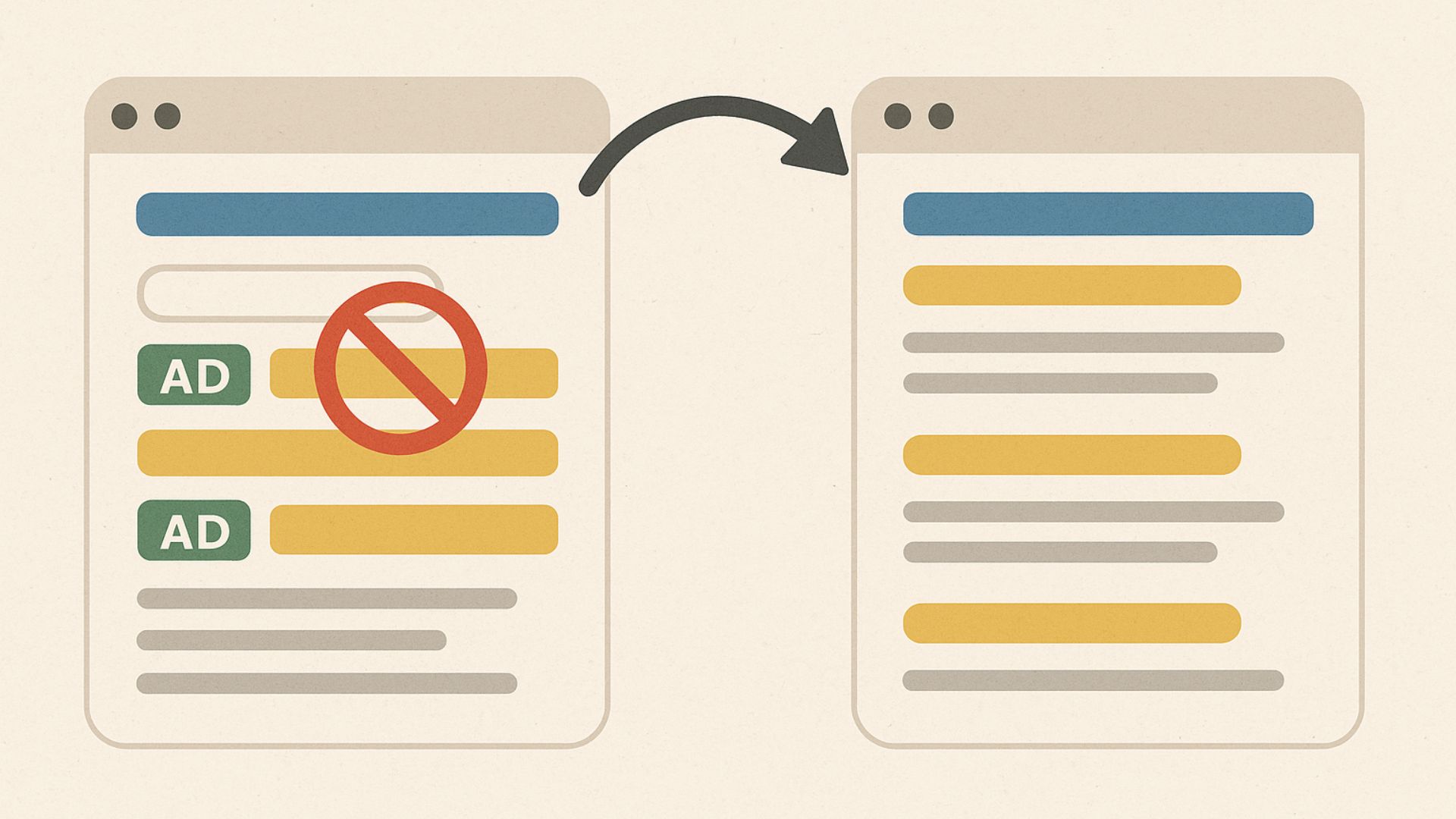
Even with negatives, your Dynamic Search Ads (DSA) campaign can overlap with keyword-based campaigns due to gaps in keyword match types, missing exclusions at the ad group level, or Google’s algorithm prioritizing page content over keyword targeting. Learn how to regain control and prevent internal competition.

If you’re running Dynamic Search Ads (DSA) alongside regular keyword-based campaigns, and you’re seeing internal overlap—even after setting negatives—you’re not alone. Many advertisers face this frustrating issue where DSA ads serve for queries already covered by keyword-targeted campaigns, making it hard to control performance, cost, and reporting.
Let’s break this down in simple terms and outline exactly why this happens and how you can fix it.
First, What Is a DSA Campaign?
Dynamic Search Ads are designed to automatically match user search queries to your website content. Instead of bidding on specific keywords, Google uses your website’s pages, titles, and content to dynamically create ad headlines and decide when to serve ads.
What makes DSA unique:
- No keyword targeting needed
- Google scans your landing pages
- Matches queries based on website relevance
- Dynamically generates ad headlines
While powerful for scale and coverage, DSA can conflict with keyword campaigns if not set up carefully.
Why Are You Seeing Overlap Despite Negatives?
Here are the real reasons why your DSA campaign might be overlapping with your keyword campaigns—even when you think you’ve prevented it.
1. Negatives Are Applied at the Campaign Level Only
If you only added your target keywords as campaign-level negatives in DSA, but not at the ad group level, DSA may still show ads depending on how your campaign is structured.
Fix:
- Make sure negatives are applied at both the campaign and ad group level.
- Audit both keyword and DSA campaigns for consistency.
2. Match Type Mismatch
DSA doesn’t operate based on keyword match types, but your keyword campaign might. For example:
- You added
[digital marketing services]as a negative exact match - But the query was “best digital marketing services”
- DSA might still serve because it doesn’t match the negative exactly
Fix:
- Use broad match negatives or include variations of your branded and high-priority terms.
- Consider using negative phrase match where appropriate.
3. DSA Prioritizes Content Relevance Over Keywords
DSA relies on your site content, not your keyword list. Even if a query matches a keyword, Google might serve the DSA ad if:
- The page content is a better match
- The keyword is not exact match
- Your ad rank is lower in the keyword campaign
Google’s algorithm aims for the best user experience—not always advertiser structure.
Fix:
- Make sure your keyword campaign has strong Quality Score, proper ad extensions, and high relevance.
- Strengthen landing pages tied to keyword campaigns.
4. Low Ad Rank in Keyword Campaigns
If your keyword-based ad has a lower Ad Rank compared to your DSA ad, Google might show the DSA ad—even for a keyword match.
What affects Ad Rank:
- Bid amount
- Ad relevance
- Landing page quality
- Expected clickthrough rate (CTR)
Fix:
- Improve keyword campaign performance:
- Raise bids on priority keywords
- Improve ad copy and CTR
- Strengthen the Quality Score
5. You Didn’t Exclude Your Keyword Campaign URLs From DSA
Your DSA campaign may include all URLs by default. So if your DSA targets the same pages as your keyword campaign landing pages, it will still show ads for the same queries.
Fix:
- Segment your DSA landing page targets:
- Use URL Exclusions to remove pages used by keyword campaigns
- Or use page feeds to control exactly which URLs DSA targets
- Create separate DSA campaigns for unique content sections only
6. Overlapping Targeting Settings in Campaigns
Even if negatives are in place, your campaign settings may still allow overlap in:
- Geographic targeting
- Audience targeting
- Device preferences
If DSA is outperforming on certain devices or locations, it may take precedence.
Fix:
- Review and refine targeting settings
- Consider segmenting DSA for specific audiences or devices
7. Dynamic Ad Targets Are Too Broad
If you’re using auto-targets like:
- “All web pages”
- “All pages containing the word ‘services’”
…your DSA campaign might still serve ads for queries you didn’t expect.
Fix:
- Use specific page categories or URLs as dynamic targets
- Avoid broad auto-target categories unless you have exclusions in place
8. Google’s Auction Behavior and Machine Learning
Even with negatives and tight structure, Google may choose to show the DSA ad based on real-time auction behavior, performance history, or device context.
This means sometimes there’s no “error”—just Google’s automated system choosing a different route for that impression.
Fix:
- Continue optimizing both campaigns based on intent
- Use exclusions, structure, and reporting to reduce unnecessary overlaps—not always eliminate them completely
How to Structure Campaigns to Avoid Overlap
Here’s a practical structure to follow:
1. Keep DSA and Keyword Campaigns in Separate Campaigns
This allows clearer budget control, reporting, and exclusions.
2. Use Shared Negative Keyword Lists
Create a shared negative keyword list of your top keywords and apply it to your DSA campaign.
3. Exclude Pages from DSA
Exclude all pages used in your keyword campaigns via:
- URL rules
- Page feed exclusions
- Dynamic ad target refinements
4. Use Page Feeds to Control DSA
Upload a CSV of only the URLs you want DSA to target. This ensures no overlap.
How to Monitor and Diagnose Overlap
- Use the “Search Terms” report in both campaigns
- Check for duplicate queries served by both campaigns
- Compare landing pages and CTRs between campaigns
- Create custom reports in Google Ads or Looker Studio to view overlap trends
Should You Stop Using DSA If There’s Overlap?
Not necessarily. DSA is great for:
- Covering long-tail queries
- Discovering new keyword ideas
- Filling gaps in keyword campaigns
But it must be controlled, segmented, and monitored. It works best as a complement to keyword campaigns, not a replacement.
Additional Resources
Final Thoughts

DSA campaign overlap is common—and fixable. The key is structure, exclusions, and alignment. Dynamic ads are meant to expand reach, not compete with your most targeted efforts.
Make sure your campaigns are:
- Strategically separated
- Exclusion lists are comprehensive
- Landing pages are not shared
- Match types and quality scores are optimized
Need Hands-On Help?
At Socinova, we’ve helped advertisers restructure and refine campaign setups to prevent DSA cannibalization. From clean keyword architecture to custom page feeds, we know how to align DSA with your broader strategy.
👉 Let’s talk—we’ll help you audit and optimize your campaigns so they stop competing and start converting.