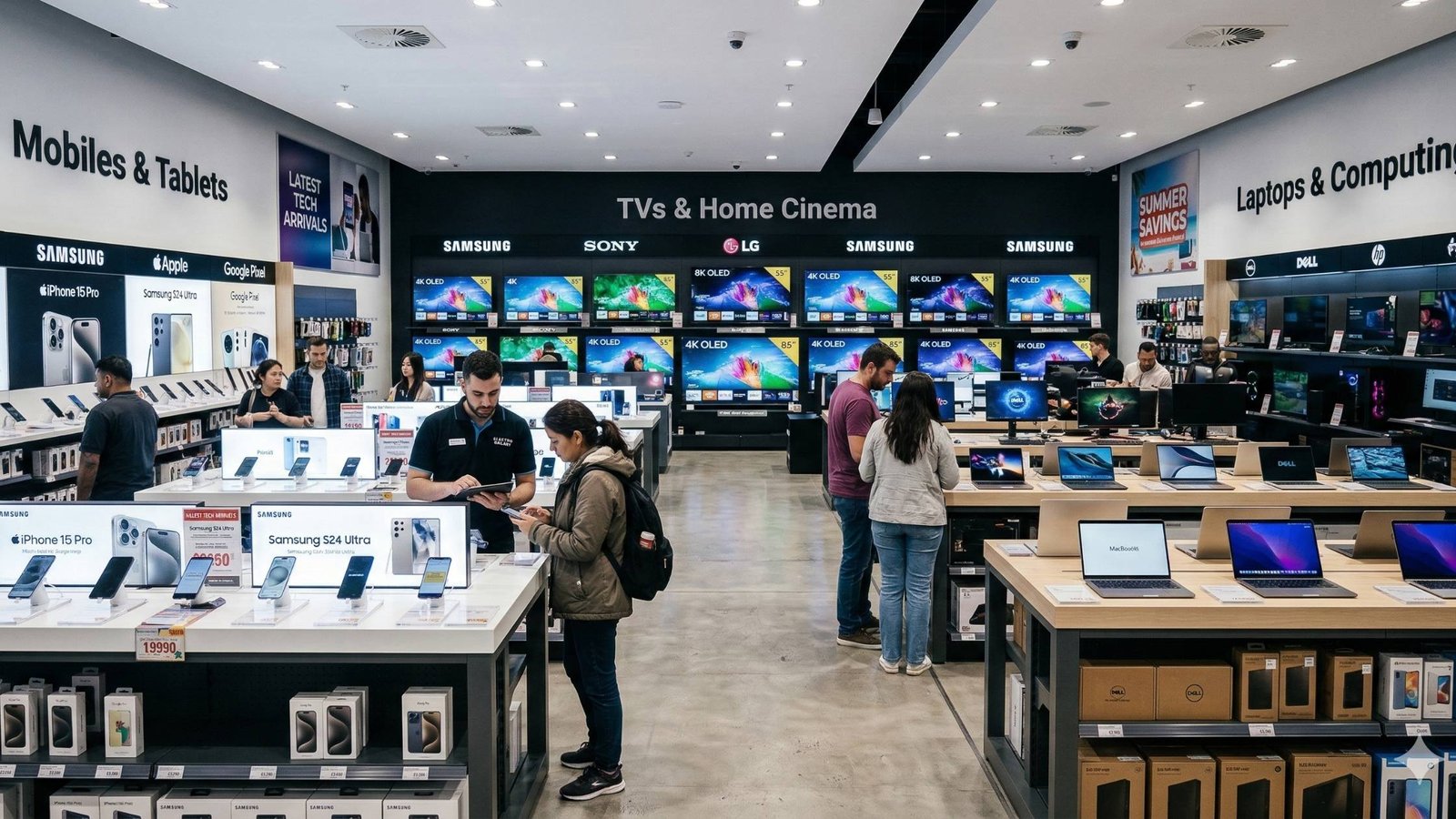

In the consumer electronics market, the product isn’t just a gadget; it’s an upgrade to the user’s lifestyle.
Whether it’s a high-performance gaming laptop, a noise-canceling headset for remote work, or a smart home ecosystem, these products are bought on the promise of better productivity, entertainment, or status.
While Google Search is excellent at capturing someone who already knows exactly which model number they want, Meta Ads (Facebook and Instagram) dominate the process of making them want it in the first place.
In 2026, the electronics B2C landscape is no longer just about competing on specs it’s about competing on visual desire and AI-driven precision. Here is why Meta Ads have become the undisputed engine for electronics growth.
Moving from “Demand Capture” to “Demand Generation”
The biggest mistake electronics brands make is waiting for a customer to search for them. If you wait for the search, you are already in a price war with every other retailer on the planet.
Meta Ads allow brands to generate demand by intercepting users based on their behavioral signals.
In 2026, Meta’s AI doesn’t just look at what people “like”; it looks at their “Digital Velocity” how fast they engage with tech reviews, their recent device upgrades, and their professional interests.
By showing a sleek, 15-second Reel of a new foldable smartphone to a tech enthusiast before they even realize they need an upgrade, you claim the “Mental Real Estate” before the competition even gets a bid in.
The Power of “Lifestyle Integration” via Reels
Electronics are notoriously difficult to sell via static images.
A picture of a router is boring; a video showing that router providing seamless 8K streaming in a multi-story home is a solution.
- Sensory Storytelling: Instagram Reels allow electronics brands to showcase the sound of a premium speaker, the fluidity of a 144Hz monitor, or the compactness of a new travel drone.
- Contextual Usage: Instead of a white-background product shot, Meta Ads allow you to show the product in its “Natural Habitat”—a minimalist home office, a high-intensity gym, or a chaotic family kitchen.
- UGC & Social Proof: In 2026, authentic “unboxing” videos and raw creator reviews outperform polished studio ads. Meta’s platform is the native home for this content, building immediate trust through peer-to-peer validation.
Advantage+ Shopping: The AI-Driven Sales Machine
In 2026, the manual “tinkering” of ad sets is dead. Meta’s Advantage+ Shopping Campaigns (ASC) have transformed into a fully automated revenue engine for electronics retailers.
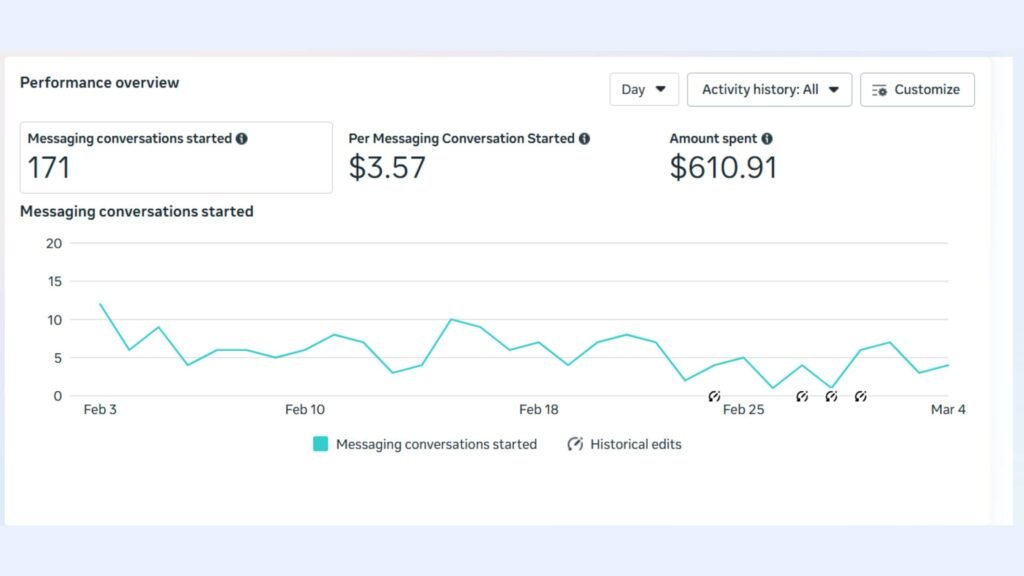
By feeding Meta’s AI a broad catalog of products, the system automatically:
- Identifies High-Intent Buyers: It finds users whose behavioral patterns mirror your existing high-value customers.
- Dynamic Creative Optimization (DCO): It automatically tests hundreds of combinations of headlines, videos, and product images to see which specific pair of noise-canceling headphones resonates with which user.
- Fluid Budget Allocation: It shifts spend in real-time to the products that are actually moving, ensuring your budget isn’t wasted on stagnant inventory.
Immersive Tech: AR and Virtual “Try-Ons”
One of the biggest friction points in B2C electronics is “Scale and Fit.” Will this 65-inch OLED TV actually fit on my wall? How will these ergonomic earbuds look in my ears?
Meta Ads in 2026 utilize Augmented Reality (AR) overlays directly within the ad unit.
A user can tap an ad and, using their phone’s camera, “place” a 3D model of a soundbar on their TV stand or “wear” a smartwatch on their wrist.
This removes the “Post-Purchase Regret” barrier and significantly lowers return rates—a critical metric for high-margin electronics brands.
Systematic Retargeting: Closing the “Consideration Gap”
High-ticket electronics often have a 7-to-14-day “Consideration Gap.” A user rarely buys a $1,200 camera on the first click.
Meta’s Dynamic Product Ads (DPAs) are the ultimate safety net for these lost conversions.
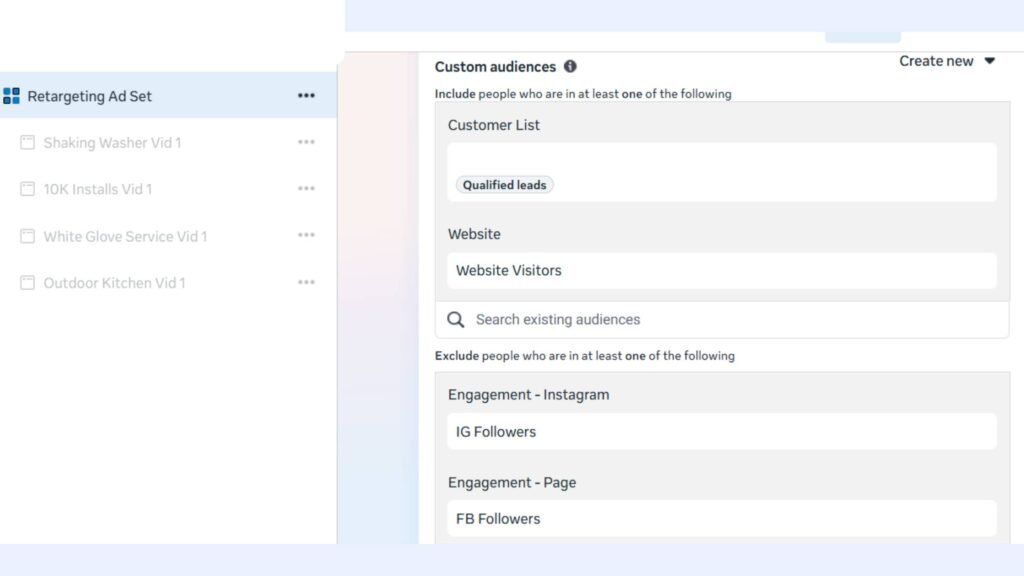
The architecture is simple yet devastatingly effective:
- The Browse: A user views a specific mechanical keyboard on your site but doesn’t buy.
- The Reminder: Six hours later, they see a Meta ad featuring that exact keyboard, but this time with a video showing the typing sound (the “ASMR” hook).
- The Social Proof: Two days later, they see a carousel of five-star reviews from other developers.
- The Close: Finally, they are served a “Free Shipping” or “Limited Stock” nudge.
This automated “surround sound” ensures your brand is the only logical choice when the customer finally decides to pull the trigger.
Dominating the Digital Shelf
In 2026, the brands that win are the ones that stop treating marketing as an “announcement” and start treating it as an “experience.”
Meta Ads provide the visual, emotional, and technological framework to turn a piece of hardware into a must-have lifestyle asset.
Are you ready to turn your electronics brand into a high-velocity revenue engine?
Schedule a call to discuss a custom Electronics Meta Ads Audit. We will analyze your current creative “stickiness,” identify your biggest retargeting leaks, and provide a 90-day roadmap to implement an automated Advantage+ Shopping infrastructure—completely obligation-free.
– Blog written by Pranit Kamble