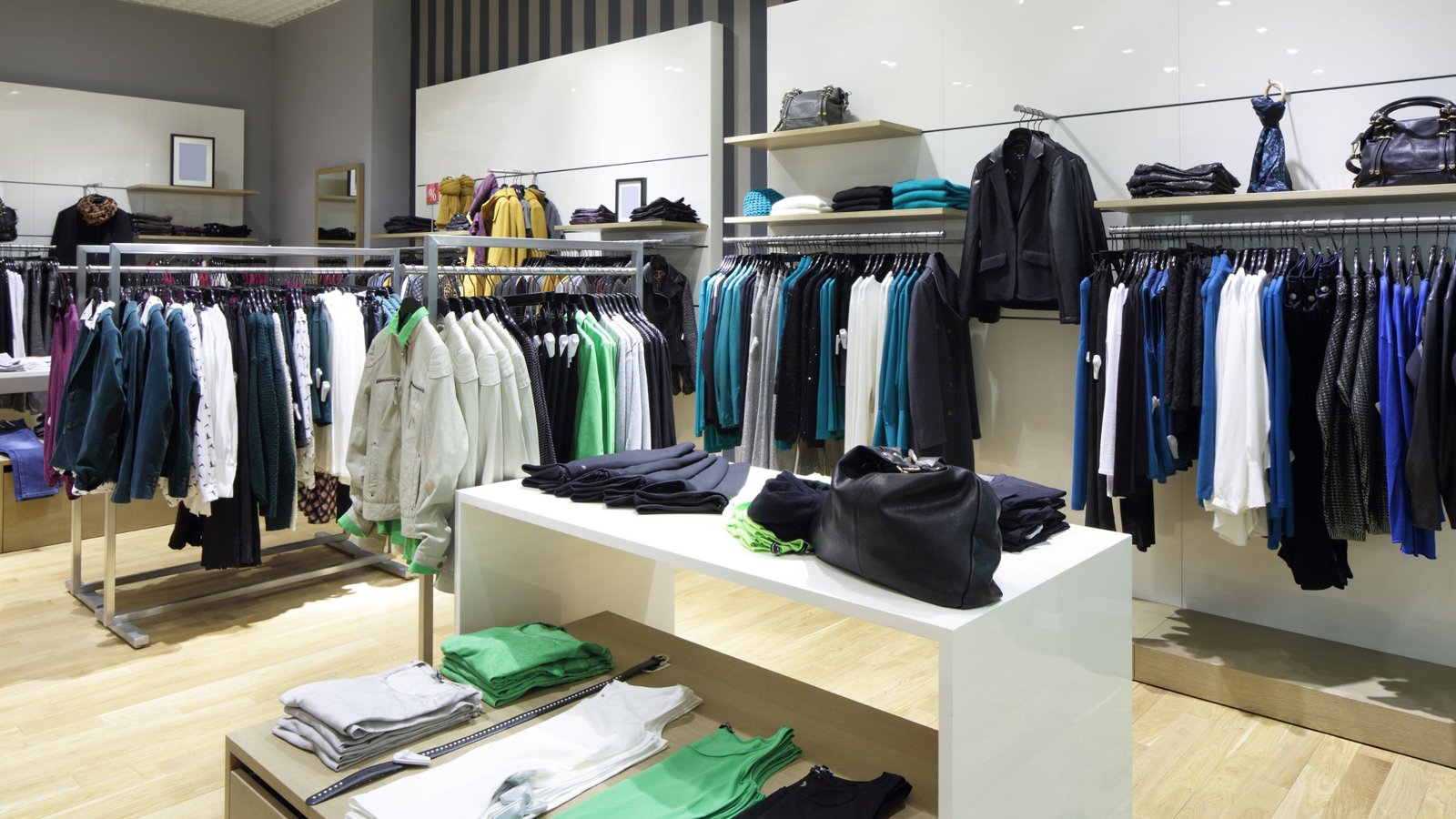

Clothing is one of the most visually driven and purchase-competitive categories in e-commerce.
A shopper browsing for a linen shirt, a midi dress, or a technical running jacket is not evaluating a single product in isolation.
They are simultaneously being reached by dozens of brands competing for the same intent, the same screen real estate, and the same decision moment.
In this environment, the clothing brands that win are not necessarily the ones with the best product.
They are the ones whose advertising infrastructure is smart enough to show the right product to the right person at the exact moment that person is most likely to buy.
Shopify portfolio ads represent the most advanced expression of this principle available to clothing brands in 2026.
By connecting a brand’s live Shopify product catalogue directly to Meta’s dynamic ad delivery system, portfolio ads eliminate the gap between what a shopper has already shown interest in and what the brand shows them next.
The result is an advertising system that does not broadcast a single product to a broad audience and hope for relevance.
It assembles a personalised product presentation for each individual shopper from the brand’s entire catalogue, matched to their demonstrated behaviour, and delivers it at the moment the platform determines their purchase intent is highest.
For clothing brands managing catalogues of hundreds or thousands of SKUs across multiple categories, fits, and colourways, this is not an incremental improvement on standard advertising.
It is a structurally different way of converting a browsing audience into a buying one.
The Catalogue Intelligence That Makes Portfolio Ads Different
Standard social media advertising for clothing brands requires a creative decision before every campaign: which product, which image, which copy, which audience.
A brand running a summer collection might build ten individual ad sets, each featuring a different product, each manually targeted at a different audience segment, each requiring its own creative assets and its own budget allocation.
This approach is labour-intensive, slow to adapt to real-time inventory changes, and structurally incapable of personalising at the individual shopper level.
Shopify portfolio ads replace this manual architecture with a catalogue-powered dynamic system.
The brand’s entire Shopify product catalogue, including current inventory levels, pricing, imagery, and product metadata, syncs directly to the ad platform in real time. When a product sells out, it automatically stops appearing in ads.
When a new collection drops, its products are immediately available for the ad system to serve. When a price changes, the ad reflects the change without any manual update.
This catalogue intelligence transforms the ad from a static creative decision into a dynamic product matching system. The platform is not serving an ad the brand manually chose.
It is selecting from the brand’s entire catalogue the specific product most likely to generate a purchase from the specific individual currently being reached, based on that individual’s browsing history, purchase behaviour, demographic signals, and contextual timing.
For a clothing brand with 400 active SKUs, this means 400 potential first impressions, each perfectly matched to a different type of buyer, all running simultaneously from a single campaign structure.
How Portfolio Ads Capture the Full Spectrum of Purchase Intent
The purchase journey for a clothing item rarely begins and ends with a single ad impression.
A shopper typically moves through a sequence of intent states before committing to a purchase, and portfolio ads are designed to intercept and advance that journey at every stage rather than only at the moment of peak intent.
At the awareness stage, portfolio ads serve product imagery from the brand’s catalogue to cold audiences built from lookalike models based on the brand’s best existing customers.
A shopper who has never encountered the brand before sees a product that the algorithm has determined is the best possible introduction based on their demonstrated style preferences and purchase behaviour in adjacent categories.
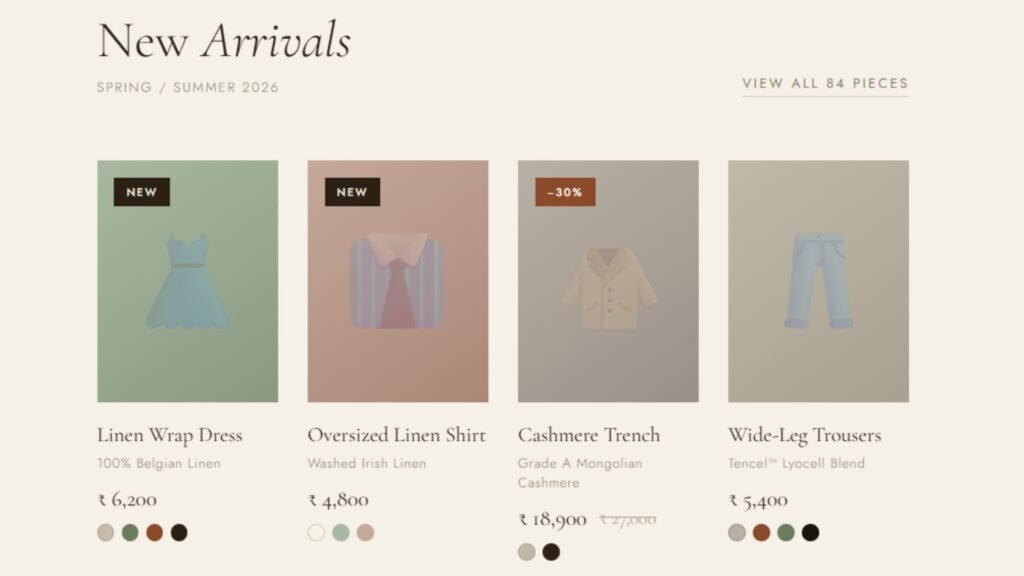
The ad is not chosen by the brand’s creative team. It is chosen by a system that knows more about what will resonate with that specific individual than any manually constructed audience test could determine.
At the consideration stage, the same shopper who engaged with that initial impression but did not purchase begins to see portfolio ads drawn from a broader range of the catalogue, surfacing related styles, complementary pieces, and alternative colourways that expand the brand’s footprint in the shopper’s visual memory.
This is where portfolio ads begin to function as a virtual stylist rather than a product promotion, building the sense of a brand with depth and range that makes it worth returning to.
At the conversion stage, dynamic retargeting serves the specific product the shopper viewed, saved, or added to their cart, paired with inventory urgency signals where relevant and a frictionless direct link to the Shopify checkout.
The shopper arrives at the purchase moment having already seen the brand multiple times, having already formed an aesthetic affinity, and having already demonstrated intent through their own browsing behaviour.
The conversion friction at this stage is the lowest it will ever be, and portfolio ads are built to capture it precisely.
The Inventory-Aware Advantage for Seasonal Clothing Catalogues
Clothing brands operate on a product lifecycle that creates a specific advertising challenge that portfolio ads solve more elegantly than any manually managed campaign structure.
A spring summer collection launches with full inventory across all sizes and colourways.
Over the course of the season, certain sizes sell through, certain colourways outperform others, and certain styles emerge as hero products while others become clearance candidates.
A manually managed advertising campaign requires constant intervention to reflect these inventory changes.
An ad serving a product that is out of stock in the most common sizes is not simply wasted spend. It is a trust-damaging experience for a shopper who clicks through to find that the item they want is unavailable.
At scale, across hundreds of SKUs in a seasonal catalogue, manually managing this inventory alignment is practically impossible without dedicated resource.
Shopify portfolio ads handle this automatically.
The real-time catalogue sync means the ad system always knows which products are fully stocked, which are running low in specific sizes, and which have sold through entirely. Low stock signals can be used to create genuine urgency in the ad creative.
Sold-out products are automatically excluded from delivery. End-of-season clearance items can be surfaced to the most price-sensitive audience segments without disrupting the premium positioning of the new collection running simultaneously.
For a clothing brand managing two to four seasonal catalogue rotations per year, this inventory-aware advertising capability is the operational advantage that allows a lean marketing team to run a professionally managed paid media programme without the administrative overhead that a manually managed campaign architecture would require.
The Fit and Style Personalisation That Drives Repeat Purchase
The lifetime value opportunity in clothing e-commerce is not the first purchase.
It is the second, third, and fourth purchase from a customer who has found a brand whose fit, aesthetic, and quality consistently meets their expectations.
Portfolio ads create the conditions for this repeat purchase behaviour by building a post-purchase personalisation layer that most clothing brands leave entirely untouched.
A customer who purchases a relaxed fit trouser from a clothing brand’s summer collection has told the brand’s data infrastructure something specific about their preferences.
They prefer relaxed fits over slim fits.
They are buying in this season. Their size and likely price sensitivity are known from the purchase data. Portfolio ads use this customer purchase history to serve the next most relevant products from the catalogue when the brand releases new styles, when complementary pieces arrive, or when the customer’s browsing behaviour signals they are in an active shopping mode again.
This post-purchase portfolio targeting is consistently the highest-converting and lowest-cost-per-purchase advertising activity in a clothing brand’s Meta programme, because the audience is warm, the preference data is specific, and the products being served are matched to demonstrated taste rather than inferred interest.
The brands that activate this layer of their portfolio ad architecture compound their customer lifetime value in a way that acquisition-only advertising programmes structurally cannot.
The Performance Data Loop That Makes Portfolio Ads Compound Over Time
The final and most strategically significant advantage of Shopify portfolio ads for clothing brands is the performance data loop that makes the system more effective with every impression it delivers.
Each time a shopper interacts with a portfolio ad, whether through a click, a save, an add to cart, or a purchase, that signal feeds back into the catalogue-level performance data that governs which products the system prioritises in future delivery.
Over time, the portfolio ad system develops a refined understanding of which products in the catalogue drive the highest engagement with which audience segments, which price points generate the highest conversion rates from which traffic sources, and which product combinations in a single ad creative produce the most basket-building behaviour.
This intelligence is not manually extracted and applied.
It is continuously incorporated into the delivery algorithm, making each subsequent campaign iteration more efficient than the previous one without requiring additional creative work or budget investment from the brand.
A clothing brand that has been running Shopify portfolio ads for six months is operating with a fundamentally more efficient advertising system than one that launched six months earlier, because the performance loop has had time to compound.
The cost per purchase is lower, the return on ad spend is higher, and the catalogue-level intelligence about which products deserve the most advertising support is continuously updated rather than based on a quarterly creative review.
For clothing brands that have been running static ad campaigns and watching their cost per purchase creep upward as audience fatigue sets in, Shopify portfolio ads are the architectural shift that resets the efficiency curve and puts the performance data loop back in the brand’s favour.
Schedule a free consultation to explore what a Shopify portfolio ad architecture would look like for your clothing brand’s catalogue and growth objectives.
You will receive a complete audit of your current paid social performance and the catalogue-level revenue your static ad structure is leaving uncaptured, a custom portfolio ad framework built around your seasonal catalogue, key audience segments, and Shopify data infrastructure, and a 60 day launch roadmap designed to compound purchase volume and return on ad spend from the first month of deployment, entirely obligation-free.
– Blog written by Pranit Kamble