

In the travel industry, the distance between inspiration and transaction is often a vast, psychological chasm. “Wanderlust” is a powerful emotional state, but it is also a fleeting one.
A traveler might spend hours scrolling through beautiful static imagery of turquoise waters or snow-capped peaks, yet never move to the “Book Now” button.
Static photos, while beautiful, often lack the narrative weight and sensory depth required to overcome the logistical and financial friction of a high-ticket travel purchase.
The bridge across this chasm is video content marketing.
Video is the only medium capable of simulating the travel experience before the traveler even arrives at the airport.
It moves beyond “showing” a destination and into the realm of “experiencing” it.
When a travel brand shifts from static galleries to a systematic video engine, they stop just fueling dreams and start engineering decisions.
By providing the sensory proof and social validation a traveler needs, video transforms passive admiration into active, confirmed bookings.
The Sensory Immersion of Short-Form Storytelling
The travel decision-making process is heavily dictated by “micro-moments”—those brief instances when a person turns to a device to act on a need to go, see, or do.
In these moments, short-form video (such as Reels, TikToks, and YouTube Shorts) acts as a high-velocity hook.
Unlike a static image, which captures a single, frozen second, video captures the rhythm of a destination.
It is the sound of the wind through the olive trees in Tuscany, the ambient chatter of a bustling night market in Tokyo, or the specific light of a sunset over the Serengeti.
This sensory immersion triggers a “pre-lived” experience in the brain of the viewer.
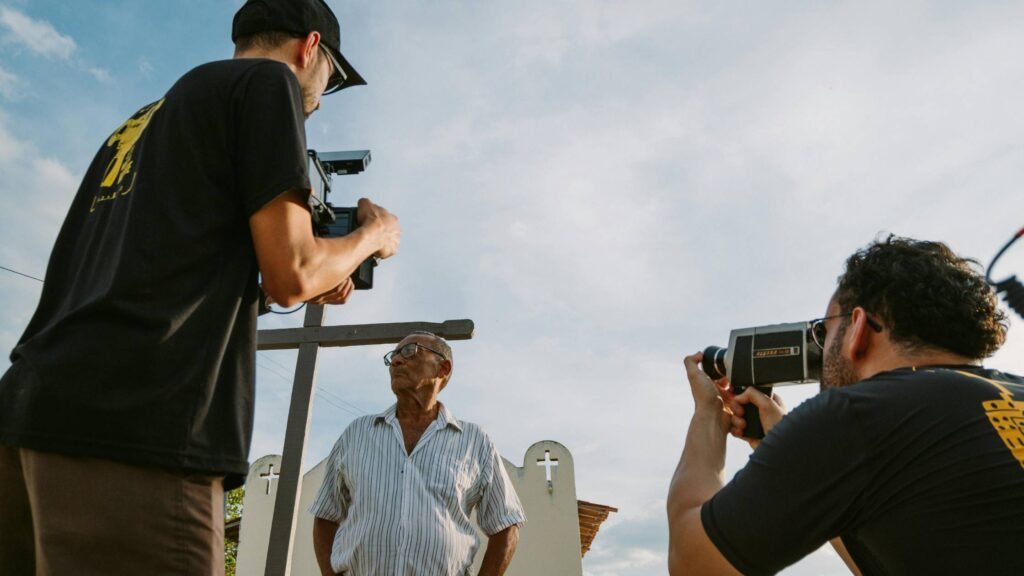
When the brain can visualize the movement and hear the environment, the perceived risk of a “bad trip” diminishes.
The destination feels familiar and attainable, which is the essential first step in moving a prospect from the inspiration phase to the consideration phase.
Building Absolute Trust Through Transparent “Reality” Video
One of the greatest barriers to a travel booking is the “expectation vs. reality” fear.
Travelers are increasingly skeptical of overly edited, “Photoshopped” professional photography that can feel deceptive.
In the luxury and adventure travel sectors, trust is the primary currency.
Video content marketing provides the transparency that text and photos cannot.
Long-form video tours, “Day in the Life” vlogs, and raw, behind-the-scenes footage of a resort or excursion provide “Proof of Experience.”
When a traveler can see a continuous, unedited shot of the path from the hotel room to the beach, or a video interview with a local guide, the psychological barrier of uncertainty is removed.
Furthermore, User-Generated Content (UGC) videos where real travelers share their authentic experiences—act as the ultimate digital referral.
A strategic video engine prioritizes the curation and distribution of this authentic content.
Seeing a “real person” enjoy a meal or navigate a hiking trail provides the social validation necessary for a prospect to justify the financial investment of a booking.
The Educational Loop: Solving Logistics with Video
Wanderlust often dies at the hands of logistical complexity.
A traveler might love the idea of a remote mountain retreat, but the moment they think about the three flight connections, the 4×4 transfer, and the packing requirements, the “dream” starts to feel like “work.”
A high-converting video strategy pre-emptively solves these logistical headaches through educational content.

By creating “How-To” videos such as “How to navigate the Maldives seaplane transfers” or “Everything you need to pack for a Patagonia trek” a brand removes the friction of the unknown.
When the logistics are presented visually, they become part of the adventure rather than a barrier to it.
By educating the traveler, the brand positions itself as a helpful authority rather than just a vendor, making it the only logical choice when the traveler is finally ready to commit.
The Paid Media Engine: Accelerating Intent with Video Ads
While organic video builds the brand’s soul, Paid Ads across Meta, YouTube, and TikTok act as the surgical tools that capture and convert high-intent travelers.
A systematic paid video strategy does not just “boost” posts; it follows the traveler through a structured, multi-layer journey.
Inspiration Targeting via Discovery Ads
The first layer of the paid engine utilizes “Inspiration Ads.”
These are high-production, immersive videos designed to call out a specific “Lookalike” audience—people whose digital behavior mirrors that of the brand’s most frequent bookers.
We target users who are actively browsing travel forums, searching for competitor brands, or following specific airline accounts.
The goal of this video is not a direct booking, but a “View” or a “Click-Through” to a destination page, effectively tagging the user as a high-interest lead.
Sequential Retargeting (The Closing Loop)
Once a traveler has engaged with the initial video, they enter the retargeting sequence. This is where the conversion happens.
Because the travel deal cycle can take weeks, the ad engine ensures the brand remains omnipresent.
- Week 1: The user is served a “Testimonial Video” featuring a family or couple describing their recent trip.
- Week 2: The user sees a “Logistical Guide” video, answering common FAQs about the destination.
- Week 3: The user is presented with a “Scarcity Offer” video, highlighting a specific limited-time package or seasonal availability.
This sequential approach builds a “surround sound” effect, keeping the desire high while systematically checking off every box the traveler needs to reach a “Yes.”
YouTube Search Intent Capture
YouTube is the world’s second-largest search engine and is a primary research tool for travelers. A robust paid strategy involves “Inbound Video Ads” targeted at specific search queries.
If a traveler searches for “best time to visit Bali” or “luxury resorts in Tulum,” a targeted video ad from the agency or resort appears at the top of the results.
This intercepts the traveler at the peak of their research phase, redirecting their wanderlust into the brand’s specific sales funnel.
Turning Attention into Asset
In the travel industry, attention is the raw material, but a confirmed booking is the finished product.
Relying on static marketing in a world that moves in 4K video is a recipe for irrelevance.
By architecting a video content marketing system that immerses the viewer, educates the prospect, and builds radical transparency, travel brands can turn the vague desire of wanderlust into a predictable, high-margin revenue stream.
Are you ready to turn passive viewers into active travelers?
Book a free consultation call to discuss a custom Travel Video Strategy.
You will get a detailed analysis of your current content gaps and a step-by-step blueprint to build a video-first acquisition engine that turns inspiration into confirmed bookings—completely obligation-free.
– Blog written by Pranit Kamble