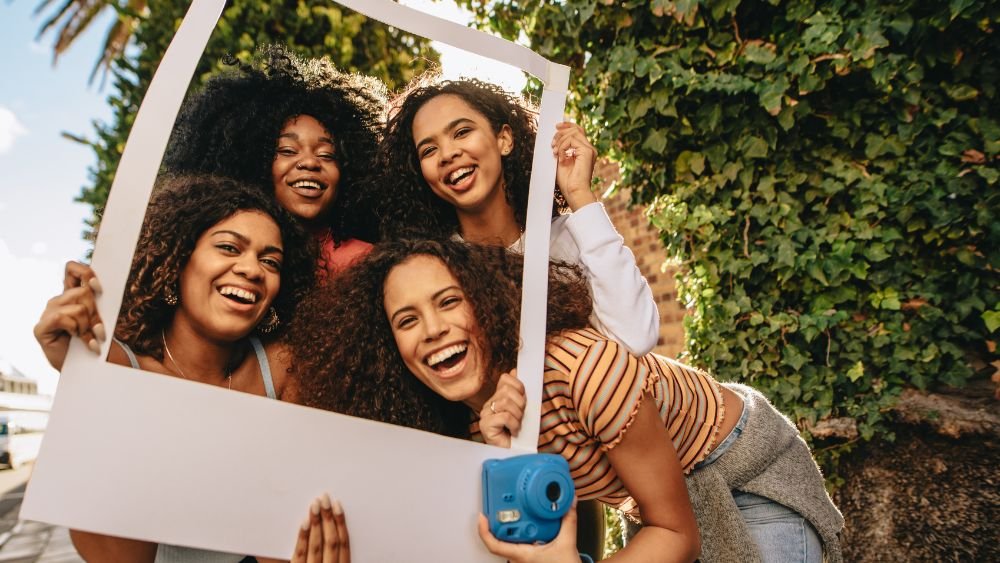
Discover the power of social media event management – tap a wide audience, create buzz, drive mass engagement, and target like never before.
Welcome to the exciting world of social media event management! In this comprehensive guide, we will delve into the power and potential of leveraging social media platforms to plan successfully, promote, and execute your next big event.
In today’s digital age, where almost everyone is connected through various social networks like Facebook, Twitter, Instagram, LinkedIn, and more – it only makes sense to tap into these channels for your event management needs.
Discover the power of social media event management – tap a wide audience, create buzz, drive mass engagement, and target like never before.
By strategically utilizing these platforms in innovative ways specific to your event’s objectives and target audience, you can create buzz around your event like never before.
So let’s dive in and discover how mastering social media event management can be a game-changer for your upcoming events.
Benefits of using Social Media Event Management
Social media has revolutionized the way we communicate and connect with others. It has also transformed event management by offering a plethora of benefits for organizers.
One major advantage of using social media event management is its ability to reach a wide audience. With billions of people active on various platforms, you can easily promote your event to individuals across different demographics and locations.
Moreover, social media allows for real-time engagement with potential attendees. You can create buzz around your event by posting updates, teasers, and behind-the-scenes content.
Another benefit is the cost-effectiveness of social media marketing compared to traditional advertising methods. You can create profiles on popular platforms like Facebook, Twitter, Instagram, or LinkedIn without spending large sums of money.
Additionally, social media provides valuable insights through analytics tools that help measure the success of your event promotion efforts.
By tracking metrics such as engagement rates, click-throughs, and conversions from social media posts or ads, you can refine your strategies for future events.
Social media enables direct communication between organizers and attendees before and after an event takes place.
Through comment sections or private messages on platforms like Facebook or Twitter, participants can share their thoughts about the experience – both positive and negative – helping you improve future events.
Choosing the Right Platforms for Your Event
When it comes to social media event management, selecting the right platforms to promote your event is crucial.
First and foremost, consider your target audience. Who are you trying to reach with your event? Different demographics tend to gravitate towards different social media platforms.
For example, if you’re targeting a younger audience, platforms like Instagram or Snapchat might be more effective. On the other hand, if you’re aiming for professionals or businesses, LinkedIn may be a better choice.
Another factor to consider is the type of content you plan on sharing during your event. If visuals play a significant role in showcasing what your event has to offer, platforms like Instagram or YouTube can help you highlight those aspects effectively.
Strategies for Promoting Your Event on Social Media
When it comes to promoting your event on social media, it’s important to have a well-thought-out strategy in place.
With so many platforms and tools available, it can be overwhelming to know where to start. But fear not! We’ve got some strategies that will help you make the most out of your social media event management.
Identify your target audience and choose the platforms that they are most active on. This will ensure that you’re reaching the right people with your promotional efforts.
Next, create engaging content that grabs attention and entices users to learn more about your event. Use eye-catching visuals such as images or videos to capture interest. Incorporate relevant hashtags into your posts to increase visibility and reach a wider audience.
Don’t forget about the power of influencers! Collaborating with influential individuals in your industry can greatly boost awareness of your event. Reach out to them and offer them incentives such as free tickets or exclusive access in exchange for promotion.
Utilize live streaming features on platforms like Facebook Live or Instagram Stories to give followers a sneak peek into what they can expect at the event. This creates FOMO (fear of missing out) among potential attendees.
Engage with your audience by responding promptly to comments and direct messages. Encourage attendees to share their excitement about attending by using designated hashtags or tagging friends in posts related to the event.
5 Common Mistakes to Avoid in Social Media Event Management
1. Neglecting to create a social media strategy: One common mistake event organizers make is jumping into social media without a clear plan. It’s essential to define your goals, target audience, and messaging before diving in. Without a strategy, you risk wasting time and resources on ineffective tactics.
2. Ignoring analytics: Metrics are crucial for measuring the success of your social media efforts and making data-driven decisions for future events. Take advantage of the analytics tools provided by each platform to track key metrics like reach, engagement, click-through rates, and conversions.
3. Failing to optimize content for each platform: Each social media platform has its own unique features and best practices. Make sure you tailor your content accordingly by optimizing image sizes, using appropriate hashtags or keywords, and leveraging platform-specific features like Instagram Stories or LinkedIn Groups.
4. Lack of consistency: Posting sporadically or inconsistently can lead to decreased visibility on social media platforms’ algorithms (Facebook’s News Feed algorithm rewards consistent activity). Develop a content calendar that outlines when and what type of posts you’ll share leading up to the event.
5. Ignoring negative feedback or comments: Not every comment will be positive; there may be complaints or criticism from attendees during or after the event on social media platforms – ignoring them will only escalate the issue further publicly online rather than addressing it promptly offline.
Conclusion
Social media has revolutionized the way events are managed and promoted. With its vast reach, instant communication capabilities, and powerful targeting options, social media platforms have become indispensable tools for event organizers.
Through social media event management, organizers can benefit from increased visibility, enhanced audience engagement, improved attendee experience, and valuable data insights.
By choosing the right platforms for their events and implementing effective promotional strategies, organizers can attract a wider audience and generate buzz around their events.
Measuring success and gathering feedback through social media allows organizers to track their performance metrics in real time. This data can be invaluable for future planning and decision-making.
Additionally, engaging with attendees on social media creates a sense of community and fosters long-term relationships that can lead to repeat attendance or recommendations to others.
So go ahead—embrace the power of social media in your event management journey! Let it amplify your efforts beyond what traditional marketing alone could achieve!