Google Ads doesn’t show real-time data due to processing delays, data sampling, attribution models, and reporting thresholds. Instead, most metrics update within 3 hours, depending on campaign type and user interaction timing.
Why Can’t I See My Google Ads Campaign Data in Real-Time?

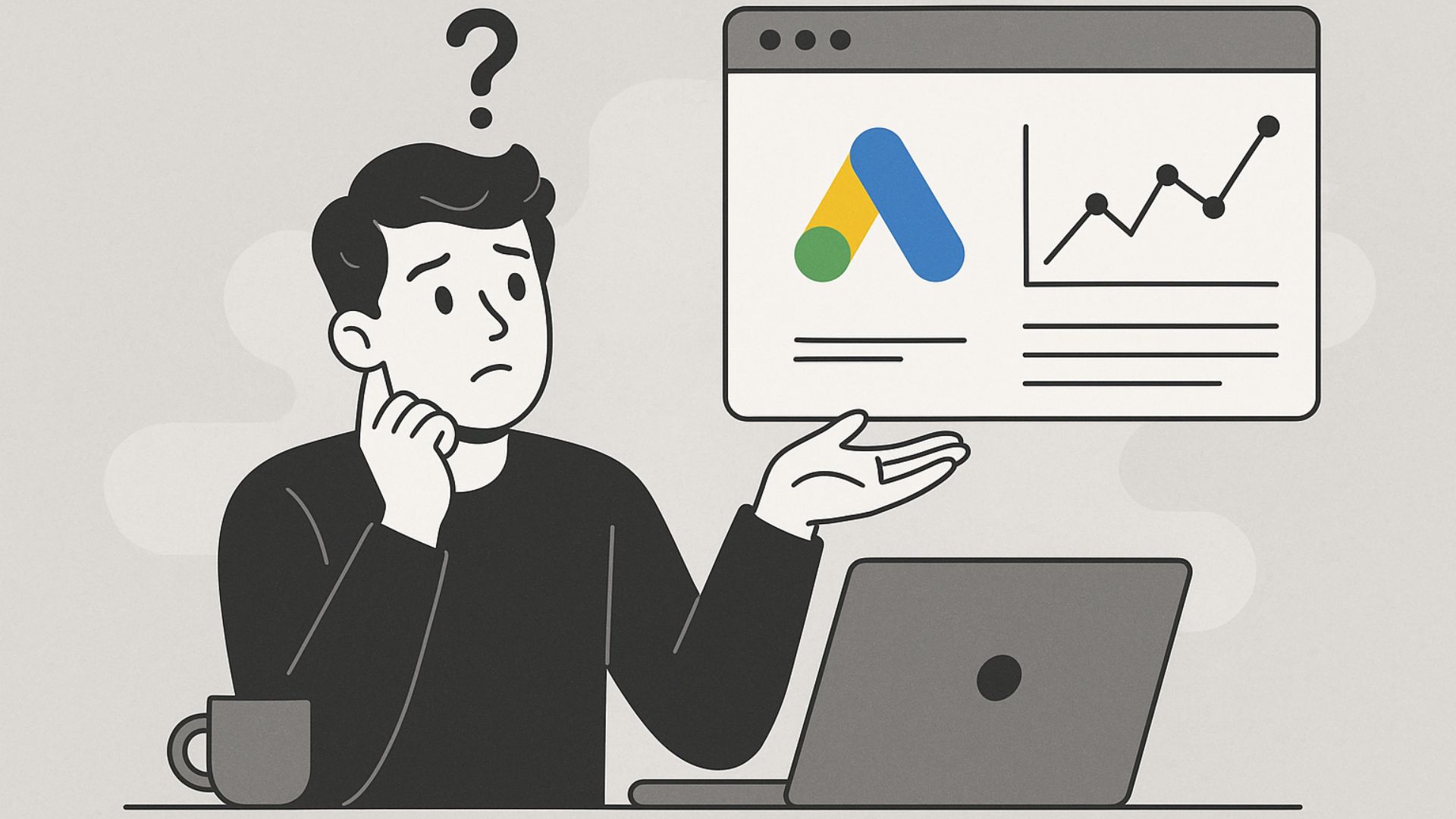
You just launched your campaign, or maybe made some changes—and you’re staring at your dashboard, wondering why the numbers aren’t moving. Is something broken? Should you panic? Don’t worry. The truth is: Google Ads does not provide real-time performance data for most campaign metrics.
Let’s break down why that happens and what you should expect instead, using normal language you’d hear in a real conversation.
1. Google Ads Takes Time to Process Data
The moment someone clicks on your ad or sees it, Google doesn’t immediately log that data into your dashboard. Why? Because it has to do some behind-the-scenes work first.
Before Google shows you anything, it:
- Checks the interaction for legitimacy (to prevent fake clicks or bot activity)
- Filters out invalid traffic that could waste your ad budget
- Applies fraud detection systems and attribution rules to correctly assign credit
What this means for you:
When you look at your dashboard a few minutes after publishing a campaign, you’re not going to see anything meaningful yet. That’s not because the campaign isn’t working—it’s because the system is still processing.
Typical delay: 1 to 3 hours for standard data like clicks and impressions.
2. Conversions Take More Time to Appear
Conversions, which are more complex actions like purchases, form submissions, or sign-ups, are even slower to show up.
Why? Because:
- Google needs to wait for users to finish their journey (which might take hours or even days)
- Then it needs to tie that conversion back to the original ad click or impression
- Finally, it runs attribution modeling to determine which interaction gets credit for the conversion
So if someone clicks your ad today and converts tomorrow, you’ll only see that conversion after Google verifies it and processes the timeline.
Timeframe:
Expect conversion data to show up within 24 hours for most online events. For offline imports, it can take up to 72 hours.
3. Attribution Models Add More Delay
Attribution models are rules that decide which ad interaction gets credit for a conversion. Google Ads lets you choose from models like:
- Last click
- First click
- Time decay
- Linear
- Data-driven (uses machine learning)
These models take time because they require user interaction history. For example:
- A user clicks your ad Monday, then another ad Thursday, and finally converts Friday.
In this case, Google waits to see the full user journey before assigning credit. So you may not see the conversion recorded until all actions are logged.
This might make your campaign look like it’s underperforming early on—but that’s just the reporting lag.
4. Campaign Type Changes Reporting Speed
Different types of campaigns update at different speeds. Here’s what to expect:
| Campaign Type | Typical Update Time |
| Search Ads | 1–3 hours |
| Display Ads | 2–5 hours |
| Video (YouTube) Ads | 6–12 hours |
| App Campaigns | 6–24 hours |
| Performance Max | Up to 24 hours |
Performance Max and YouTube campaigns often take the longest because they rely heavily on machine learning and broader user behavior data.
So, if you’re running those types of ads, it’s perfectly normal to wait a day before meaningful metrics appear.
5. Low Budget or New Campaigns May Update Slower
If your account is relatively new or your daily budget is on the lower side, Google’s systems might not rush to update your dashboard.
Why?
- Low activity means less data to process
- Google may group or delay showing partial results until they’re more meaningful
Also, new campaigns go through a learning phase, where Google tests who to show your ad to. This means impressions and clicks may be slower and reporting even more so.
6. Time Zones and Account Settings Can Confuse You
This one’s simple but often missed.
If your account is set to a different time zone than your local reporting dashboard, you might see “missing” data that’s just shown under a different day or time.
To fix this:
- Go to your account settings
- Check the time zone preference
- Align your analytics tools or client reports to match it
This helps avoid misunderstanding campaign results, especially when working with clients across regions.
7. External Reporting Tools Take Even Longer
If you’re using tools like:
- Google Looker Studio
- HubSpot
- Third-party CRMs
- Data pipelines or custom dashboards
…these often have extra delays.
They fetch data from Google Ads, not in real-time, but often in scheduled batches. Some fetch hourly, others daily.
So if you’re not seeing updated data there, go check your Google Ads dashboard directly.
8. Manual Edits Don’t Show Results Right Away
When you change things like:
- Bids
- Ad copy
- Keyword lists
- Audience settings
…you may not notice any change for several hours—or even a full day.
That’s because Google rolls out these changes gradually, especially in campaigns that use smart bidding. This helps the algorithm learn and adapt before going full speed.
Pro tip:
Don’t tweak too much at once. Make small, controlled changes and allow time for results.
9. Google Ads Doesn’t Prioritize Instant Stats
Google Ads is built for accuracy, not speed. Unlike some platforms that push live stats quickly (but risk inaccuracies), Google takes time to ensure:
- Your data is real
- Traffic is human
- Engagement is genuine
So while it may feel frustrating to wait, it’s actually a safeguard against bad data.
What Should You Do Instead of Refreshing Constantly?

✅ Be patient. Wait at least 3–6 hours for normal reporting.
✅ For conversions, wait at least 24 hours for reliable numbers.
✅ Avoid over-optimizing too early. Give changes time to reflect.
✅ Use GA4 or real-time dashboards for faster but less detailed site activity.
✅ Watch week-over-week trends, not hourly dips.
Internal Resource from Socinova
Want to understand your Google Ads data better?
Visit Socinova Discussions for expert tips on campaign reporting and optimization.
External Reference Links
Final Thoughts
Google Ads isn’t designed to show instant numbers. It’s built to show you trusted data, even if that means a slight delay.
So don’t stress if you don’t see clicks, impressions, or conversions immediately.
Instead, focus on the big picture. Give your campaigns time to collect real data. Let Google’s systems learn and optimize before you start making changes.
And remember—you’re not alone. If you ever feel stuck, the team at Socinova is here to help.
📩 Talk to us here and we’ll help you track, understand, and grow your Google Ads performance the right way.